Upselling Strategies for Ecommerce Success

James Thole
December 12, 2018
18
minute read

e-commerce websites

This is some text inside of a div block.
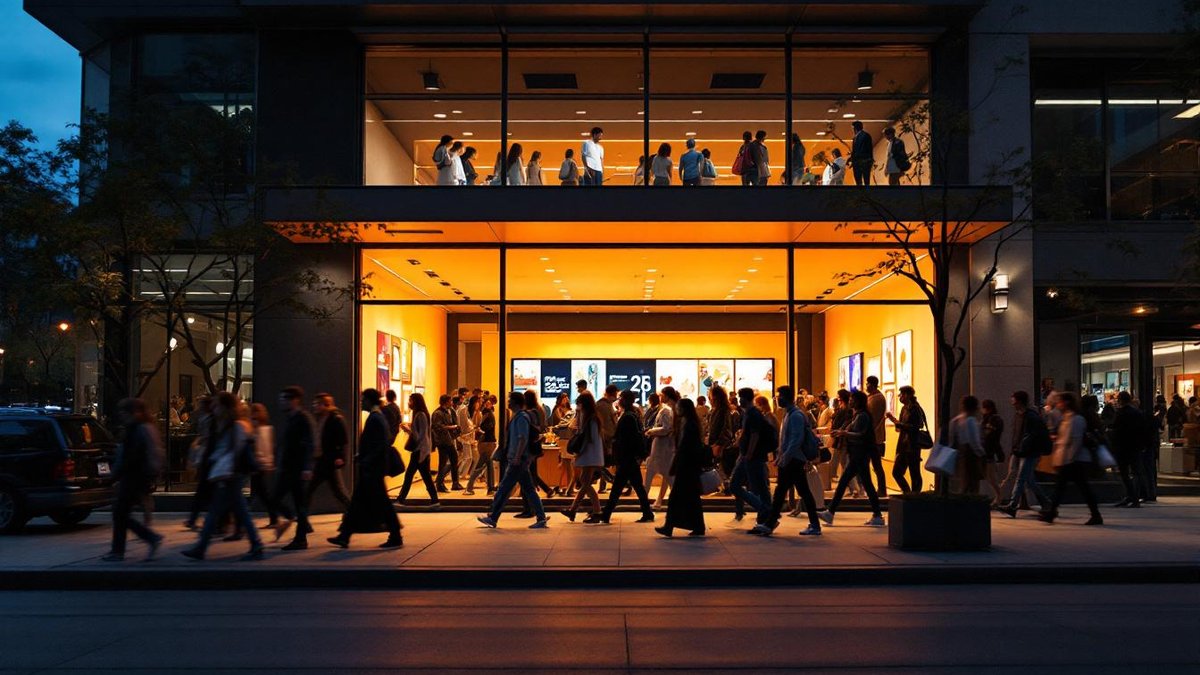
Ecommerce team in Houston discussing upselling strategies

Ecommerce Upselling: What Works

Upselling puts a better option in front of someone right when they're ready to buy, and that lifts your revenue. We lean on a handful of moves that pull their weight: personalized suggestions, the occasional limited-time push. Most businesses miss the part that matters, though, timing and relevance. We've watched a plain Woodlands checkout turn into a real win once those two clicked.

Ecommerce Upselling: What Works for a The Woodlands business

Upselling takes finesse. You match the right product to the right person at the right second, and when you nail that, your average order value climbs in a way you can actually feel (Launchtip). So which moves deliver? And how do you run them without annoying everyone?

Understanding the Basics of Upselling

Upselling nudges a customer toward a pricier option than the one they came in for. Pull it off well and your sales go up, plus people walk away happier with what they bought.

Good upselling makes the whole shopping trip better. You're adding value, not shoving more stuff into the cart. A solid upsell feels like a natural part of the journey, options someone might genuinely be glad you mentioned (not a trick to pad the receipt).

Picture this. You walk into a shop in The Woodlands for a new phone, the salesperson points you toward a model with better features for a little more money, and you actually think about it because it fits what you need. That's upselling working. Online, it's the same thing. You offer a premium version or add-ons that make the main purchase better.

People mix up upselling and cross-selling constantly. Upselling sells a fancier version of what they're already buying, cross-selling pitches the stuff that goes with it. You can run both at once, but knowing the difference keeps you from fumbling either one.

Why Upselling Works

Upselling works because it solves a real problem for the customer while bumping your revenue at the same time. The whole thing hinges on making the offer feel personal and worth the extra dollars.

We all want the better option. When a customer spots something that looks like an upgrade, they'll often pay a bit more for it. And that's not a hard sell, it's just showing the added benefit clearly.

Here's the thing nobody says out loud. The customer is already buying. They've trusted your brand enough to pull out a card, so an upgrade or add-on at that moment feels like part of the same decision, not a brand new one. Everybody wins, the customer gets something closer to what they actually wanted and your revenue goes up.

Look at how Apple does it. Buy a MacBook online and you get nudged toward more storage or a faster processor, baked right into checkout so an upgrade takes one click. They're working with the spending mood you're already in, and it pushes the whole transaction higher.

And it isn't only about today's sale. Offer stuff that genuinely improves someone's experience and you build trust, which is what brings people back. Sound familiar? It's the same reason your favorite local spot remembers your order.

Personalized Recommendations

Personalized recommendations match what a specific customer actually wants. And when you pull from real data instead of guessing, those suggestions land.

Personalization changes everything. Your customers want experiences built around them, they don't want to dig through fifty options to find the one thing they came in for, they want suggestions that fit. And this is where your data earns its keep. You look at what someone bought, what they browsed, and the upsell you show them suddenly makes sense to them.

Not complicated. Just consistent.

Look at Amazon. That "Customers who bought this also bought" row is personalized upselling done right, it reads behavior and floats stuff that actually pairs with what's already in the cart. Sales climb because the suggestions feel relevant instead of random.

Netflix runs the same playbook. It isn't upselling exactly, but it shows what good personalization does when the data's clean. They watch your viewing history, they suggest shows you'll probably finish, and people stick around longer. The same idea works in your store. Algorithms read past purchases, then float a higher-end version or an add-on that fits, and you catch sales that would've walked out the door.

None of this works without a real data setup underneath. Google Analytics and a CRM track what your customers click on and what they scroll right past, so your upsells come from actual behavior (not a hunch). Sharper recommendations convert better. We're not guessing on that one, we've watched it play out with clients in The Woodlands and Houston.

AI recommendation engines push it harder. They chew through behavioral data in real time, then serve up product suggestions that hit accurate and well timed. On a $15,000 ecommerce build, that kind of tech is what separates the stores that grow from the ones that flatline.

Bundling Products

Bundling is grouping a few items together at a price that beats buying them separately. People feel like they're getting more, so they buy more, simple as that.

Bundling Products for a The Woodlands business

Here's the thing nobody says out loud. Bundling works because a deal feels good. You group a few products at a price that beats buying them one by one, and you tap straight into that little hit of satisfaction people get from a bargain. They spend more than they planned, and they feel smart doing it.

Say you run an online tech accessory shop in The Woodlands. Bundle a phone with a case and a screen protector, and now your customer isn't weighing three separate decisions, they're making one they feel good about. The discount turns that bundle into a solution instead of a pile of parts. That framing does a lot of heavy lifting.

"Buy one, get one at a discount" pulls the same trick. McDonald's built an empire on meal deals, and the reason is simple, people think they're getting more than they paid for. Most of our recent ecommerce clients watched their average order values climb after we worked bundling into their (Kard) Webflow builds. Sound familiar?

Good bundles start with knowing your lineup and what people actually grab together. So look at the data, find the logical pairings, and build packages around real buying patterns. Not what looks pretty on a product page. Your customers tell you what belongs together, and honestly, your gut usually doesn't.

Built a few options? Test them. A/B testing your combinations and price points shows you what lands and what flops, and you take that data and tune the offers, adjust to how people respond, keep going. A bundle that's been pulling traffic for weeks and still underperforming doesn't need more promotion. It needs a rethink.

Limited-Time Offers

That's the whole game.

Limited-time offers light a fire under people and push them to decide fast. We're tapping into that fear of missing out, and it moves product.

Urgency changes how people buy, fast. A limited window kicks in that FOMO, and your customer acts now instead of bookmarking it for "later" (which usually means never). When a deal feels genuinely limited, the overthinking stops and the buying starts. That's the pivot.

Flash sales, countdown timers, short exclusive discounts, they're all the same trick, and they hit hardest when you pair them with bundles or personalized picks. But the offer has to be real. Your customers in Spring, Conroe, and Houston have gotten sharp at sniffing out a fake "last chance" timer, so the urgency needs to actually mean something, and the discount does too.

Look at Black Friday and Cyber Monday. People go nuts not because the products got better, but because the window's tight and the discounts are big. And your store doesn't need a national holiday to pull this off. Run a targeted flash sale on a few products, 24 to 48 hours, visible timer, and you'll see your own version of that conversion spike on a smaller scale.

To get the most out of these offers, you promote them everywhere you can. Fire off the email campaign, hit social, drop a banner on the site. The more eyes on the offer, the more people act. Simple as that.

And stack scarcity on top to crank the urgency. Show the stock that's left. Show how many people are eyeballing the same product right now. A deadline plus a shrinking shelf, that combo moves folks from "maybe later" to "buying it now."

Upselling Through Customer Support

Customer support upselling is suggesting an upgrade or add-on while you're already talking with someone. It works because it's a real conversation, not a pitch, you're just answering what they actually need.

Support chats are some of the warmest sales you'll ever get. Somebody reaches out, they're already in it, already thinking about the product. A rep who actually listens can spot the opening and make a useful suggestion without sounding like a salesperson.

Here's a simple one. A customer asks how much storage a product holds, and your agent mentions the model with double the space for thirty bucks more. If it fits what they need, that's not slimy upselling. That's good advice, plain and simple, and you'd be surprised how many teams miss the difference.

Zappos built its whole brand on this kind of support. Their reps skip the scripts. They listen, then suggest products that actually fit the customer's situation. The payoff? More sales, plus repeat buyers. Those two things feed each other.

We tell clients to train support teams on product knowledge first, upselling second. A rep who knows your catalog cold finds the openings on their own. The one reading off a script sounds robotic. Let the upsell come out of the conversation naturally, not forced.

Simple. Specific. Honest.

Put live chat on your website. It drops a rep right in front of the customer while they're browsing and weighing options. That window never existed in old-school retail, and honestly, plenty of businesses in The Woodlands, Spring, and Conroe still aren't using it. Proactive chat, fired off after someone spends 45 seconds on a product page, nudges a hesitant shopper toward something that fits better.

use Customer Reviews

Reviews do what marketing copy can't. A real customer saying "I almost went with the basic version and I'm glad I didn't" beats any product description you'll ever write. That peer credibility wins over the people on the fence about spending more.

use Customer Reviews for a The Woodlands business

Ask for reviews directly, especially on the products you want to push. A follow-up email 7 days after purchase asking for feedback is dead simple, and most people skip it. And once the reviews come in, make them impossible to miss. Product pages, remarketing emails, right next to the "add to cart" button on your premium items.

Look at what TripAdvisor does to hotel bookings. A property with 200 positive reviews beats a near-identical one with 40, every time. Same product. Different perception. This plays out in ecommerce every single day. Customers trust other customers, and that trust carries over to the premium versions of whatever they're eyeing.

Make the review process easy. Send requests at the right moment, keep the forms short, give people a reason to bother. A 10% discount on a future purchase for honest feedback works for everybody. And it builds a library of real testimonials you'll lean on for months.

Don't sleep on user-generated content. Get customers posting photos or short clips of their purchases and tagging your brand. Drop that content on product pages right alongside the written reviews. It carries an authenticity your polished product shots can't fake, telling new visitors that real people bought this thing and liked it enough to share.

use Email Marketing

Email upselling means sending targeted offers built on what someone bought or browsed before. Personalized ones get opened. Generic blasts? Straight to the trash.

Email still works for upselling, but only when you do it right. Segment your list by behavior and purchase history and you can send offers that actually matter. Blast your whole list and watch conversions tank. But a tailored email to someone who just bought a mirrorless camera, offering a 50mm prime lens? That one lands.

Post-purchase follow-up emails are an easy win. Send them inside 48 hours, while the buyer still cares about what they just bought, then point them toward stuff that pairs with it. Or float a members-only discount on something nicer for your repeat folks. You want the email reading like a heads-up from someone who's paying attention, not a blast with their name pasted on top.

Picture the camera buyer. Somebody grabs a DSLR, two days later an email lands nudging three add-ons: a tripod, a spare battery, a lens filter. Each one solves a real problem for a brand-new camera owner, it doesn't read like an upsell. It reads like good service, and it makes you money at the same time.

Worth saying plainly.

Mailchimp and Constant Contact handle the sending. Set it up once, glance at open and click rates every week, adjust when something's off. One subject line pulls a 30% open rate and another limps in at 11%? You already know which way to go.

Here's the thing nobody says out loud: drip campaigns get ignored, and they shouldn't. A drip is a string of emails that rolls out over time, easing upsell offers in as the relationship deepens (the slow build is the whole point). It keeps you visible between orders, it builds the kind of familiarity that makes the next offer land softer. We've watched repeat purchase values climb inside 60 days for most of the clients who actually committed to running one. That's no accident.

Measuring Upselling Success

To measure whether upselling is working, we watch average order value, conversion rates, and what customers actually tell us. Those numbers show us what to tweak next.

You can't fix what you don't track. Average order value and conversion rates are the signals we lean on, plus whatever customers tell us straight. AOV tells you if people spend more per order, conversion rates tell you who's saying yes. And the feedback tells you how the whole thing felt on the other end.

Look, check these numbers on a schedule, not only when something smells wrong. A strategy that isn't lifting AOV? Tweak it or kill it. Upselling isn't set-and-forget, it shifts as customer behavior shifts and inventory turns over, and what worked in March can flop by August.

Google Analytics and your CRM hold the patterns. Find the product combos that keep driving order values up, then run that same logic across your other categories. Bundling a laptop with a warranty converts at 22% while a carrying case only hits 9%? That's real data. Use it.

Surveys and reviews tell you things analytics never will. They show you whether the upsell felt relevant or pushy. A customer who felt cornered will say so, and honestly that one comment is worth more than a pile of glowing reviews when you're deciding what to fix. Let it reset your tone, your timing, how relevant the offer even was.

A/B testing cuts the guessing. Test placements, test headlines, swap price anchors, try different pairings, let the numbers point the way. Run it six to eight weeks and you'll learn more about your own customers than any generic best-practice list could ever hand you.

Creating an Upselling Experience That Doesn't Feel Like Upselling

A good upselling experience tucks the offer right into the shopping flow so nothing feels jarring. People stay happy and you still move more product, no disruption.

The best upsells don't read as upsells at all. The offer shows up at the right moment, it lines up with what someone's already thinking about, and suddenly it feels like a favor instead of a pitch. That kind of timing isn't luck. We design it on purpose, because it never happens on its own.

Map the customer journey first, then go find where an upsell actually belongs. A product page, the cart, and checkout, those are three different headspaces with three different intent levels. On a product page people are still browsing, in the cart they've pretty much decided. So change what you show based on where someone's standing.

This part trips people up.

Say someone in The Woodlands drops a laptop in their cart and you suggest a bag or a warranty. That's not pushy, that's helpful. But the offer has to look good, load fast, and make sense at a glance. If your customer spends more than three seconds wondering whether the add-on is even for them, you've lost it (and that window closes fast). Show the value, make the click easy, then get out of the way.

Look, your site either helps you upsell or it quietly kills the whole thing. A cluttered, confusing layout buries the offer before anyone reads it, we see this constantly with local service businesses. So we build clean, responsive designs where browsing and adding feels natural, not like work.

And pricing deserves real attention. I'm talking about adjusting prices on the fly based on demand, the competition, how people actually behave on your site. Drop a personalized discount at the right second in the upsell flow and watch the conversions climb. Easy to say, hard to pull off, but the revenue is real.

Training Your Team for Effective Upselling

Training your team for upselling comes down to two things, deep product knowledge and selling in a way that puts the customer first. Get that right and the whole shopping experience gets better.

Training Your Team for Effective Upselling for a The Woodlands business

Here's the thing nobody says out loud. Your team moves the needle on upselling more than any software ever will, support staff, sales reps, your marketing people, they all upsell in a way that feels useful or they upsell in a way that feels forced. Get that balance wrong and you lose the sale and the customer.

Start with serious product training. Everyone on the team knows the features and benefits cold, especially for the items that keep showing up in upsell moments. That's what lets them recommend something with actual value instead of just padding the cart. And honestly, that gap is huge.

Then layer on customer-first selling. We push a consultative approach, your team listens before anyone suggests a thing. It lands more upsells, sure, but it also leaves people happy, and happy people come back to shops in Houston or The Woodlands instead of buying once and vanishing. Sound familiar?

Role-play and regular sessions keep everybody sharp. One onboarding day and done? That fades fast. Give your team the practice to stay confident, because the stuff they learned six months ago is already slipping.

Back it with data. Give your team the customer analytics, let them spot upsell openings and shape the pitch around the actual person standing there. Someone who walks in already knowing a buyer's history and what they've been browsing recommends smarter, every time. And that's the whole gap between a canned upsell and one that lands.

We go deeper on ecommerce website mistakes small businesses in Ecommerce Website Mistakes Small Businesses Make.

Frequently Asked Questions

What is upselling in ecommerce?

Upselling in ecommerce is recommending a more premium product or an add-on to bump up the order value. We use it to drive sales and make sure people leave satisfied.

You suggest something better while they're already in buying mode. Done right, it makes the whole thing better, it surfaces options they wanted but never stumbled across on their own.

How can I personalize upselling offers?

We personalize upselling by digging into customer data and what folks have bought before. Then we tailor the recommendation to fit them, which makes it actually stick.

We read the data, the behavior, the past purchases, all of it. That's what lets you build an offer that clicks with the actual person in front of you, and the conversions follow.

Why are limited-time offers effective for upselling?

Limited-time offers create urgency and get people deciding quickly. They run on that fear of missing out, and it reliably lifts sales.

Put a deadline on it. Customers stop dithering. That urgency pushes them to move, especially when the suggestion already fits their cart, and the clock kills the "I'll think about it" excuse cold.

How do customer reviews impact upselling?

Look, strong reviews on your premium product pages reassure buyers about quality before they spend more. That social proof does real work mid-decision, especially for the hesitant ones (you know, the folks hovering over the upgrade button without clicking).

What metrics should I track for upselling success?

Keep an eye on average order value, conversion rates, and customer feedback to see if upselling is paying off. Those insights tell you exactly where to sharpen your approach.

These numbers tell you what's working and what's dragging. We tell clients to run the analysis regularly, catch the problems early, before they bite. Don't wait until after the damage is done.

Our booking calendar fills up fast, especially in The Woodlands. We only have 3 slots left for the next 47 days. Ready to secure your spot? Reach out today.

LATEST POSTS

Branding Strategy for Businesses in The Woodlands

June 6, 2026

AEO vs SEO: What Small Businesses Need to Know

June 6, 2026

Webflow vs WordPress comparison for business websites

web design

Webflow vs WordPress: An Honest Comparison for Business Owners

David Privit

May 7, 2026

get a quote

let's talk a little.
drop us a line!

Please enter your phone
Please enter your email
You need to provide a company name
Previous
Thank you! Your submission has been received!
Oops! Something went wrong while submitting the form.