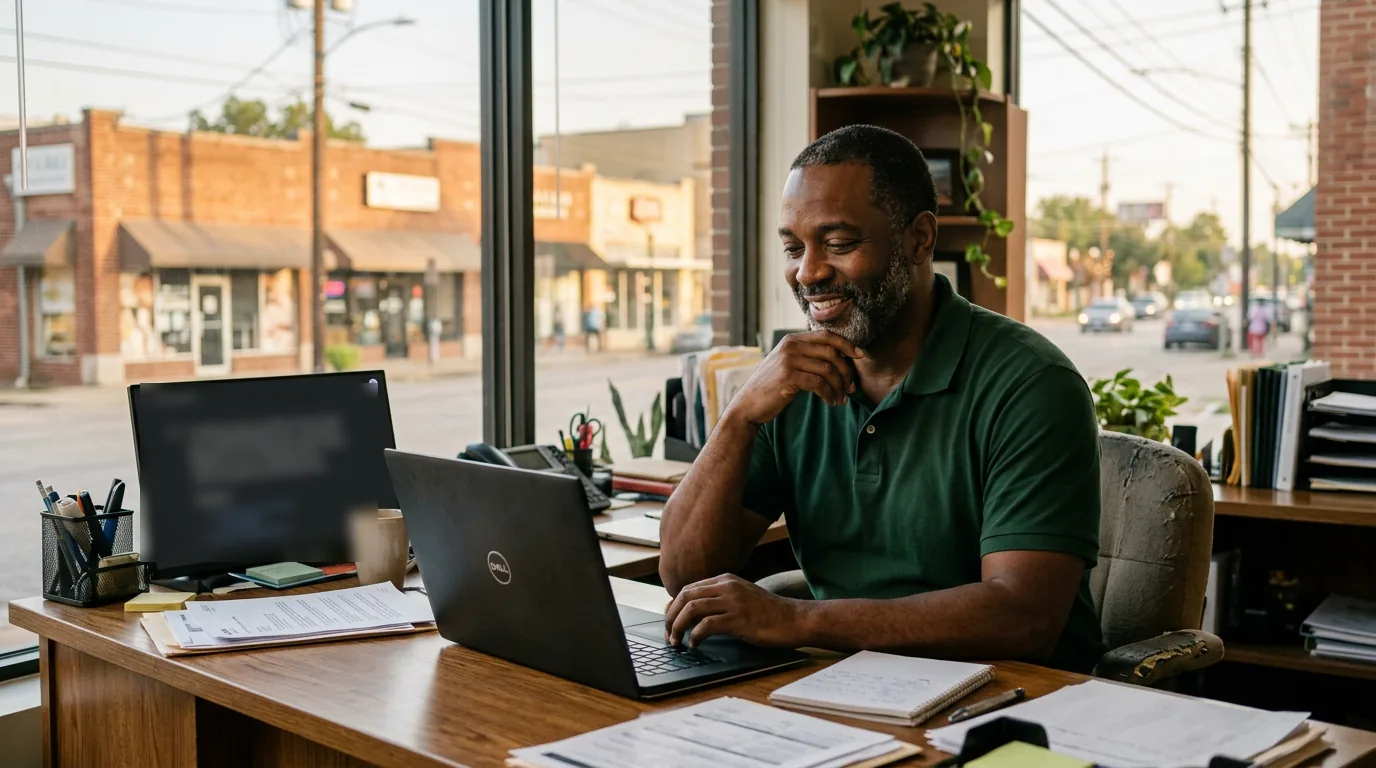

Know your customers first. Everything else on your ecommerce site gets built on top of that. We mean their needs, their preferences, how they actually buy. And not just demographics either, you've got to get inside your buyer's head. What do they care about? What problem are they trying to fix? Answer those, and you're already ahead of most.

In The Woodlands, a lot of businesses sell to a suburban crowd, which means you've got to understand how suburban folks shop. Are your customers chasing convenience, or do they want something more personal? That answer shapes how you build the whole site.
Honestly, most businesses skip this part. They obsess over looks or pricing and forget who's on the other end. We see this constantly with local service businesses. So dig into your customer data, watch the buying patterns, run a survey if you have to (yes, it's worth the time).
A boutique in Houston we know of flipped their whole strategy once they figured out their core audience was young professionals, not retirees. They redesigned around workwear and trendy accessories, ran targeted social ads, and online sales jumped 30% inside 47 days. That's what knowing your audience does.
Same story with a family grocery delivery service over in Conroe. They aimed at young urbanites at first. But their real customers turned out to be busy suburban families, so they switched up the marketing and added bulk items and family meal kits. Retention climbed 40%, and average order value went right up with it.
User-friendly design matters more than people think. When visitors can find what they need without fighting your menus, they actually stick around and buy, and that's the whole point.
Look, a cluttered site scares buyers off. Your platform has to feel obvious, easy to move through. The design walks people from the homepage straight to checkout. They struggle to find something? Gone.
Clear categories, a search bar that actually works. Visitors find what they came for in a couple clicks, that's the bar. And make it mobile-friendly, because so much shopping happens on phones now (Capital One Shopping Research). A clean, professional look builds trust too, it tells people you're the real deal.
Well, not exactly. What I'm getting at is, don't overdo the design. Flashy websites distract. Keep it simple, keep it elegant, let your products do the talking.
We saw a Spring site selling artisanal crafts that was a mess. Too many graphics, too many animations, load times crawling, visitors bailing. They stripped it down and put the product photos front and center, load speed improved 40%, and conversions went up 25% (Contentsquare).
Not complicated. Just consistent.
One Houston tech gadget store rebuilt its whole site around a clean, minimalist layout and made the experience the priority. They added one-click checkout, plus a recommendation engine that actually learned what people liked. Repeat customers jumped 30%, average order value climbed 20%. For a crowd that knows their gear, shopping there got faster and a lot less annoying.
Good product descriptions do real work. They call out the benefits people actually care about, and they nudge someone from browsing to buying.
Listing features isn't a description. It's a spec sheet. We tell clients to sell instead, lead with the benefit, and explain why someone's life gets better with this thing in it. Persuasive, sure. But keep it real. Nobody trusts copy that oversells.
In Spring, where local shops are doing well, a personal touch in your copy actually lands. Tell a quick story. Name the one thing that makes your product different. This is where most businesses trip up, they either drown you in technical jargon or write three bored sentences and call it done. Find the middle. Useful, but worth reading.
And SEO matters too. Work your keywords in like a human wrote them (not stuffed in at 2am), and you'll pull more of the right people to the page.
A pet supply store in Conroe reworked its descriptions to talk about the health side of organic pet food and dropped in a few real owner testimonials. Sales doubled in three months. It hit pet owners right in the feelings and still gave them the facts to buy with confidence.
An outdoor gear shop here in The Woodlands ran the same play. They wrote adventure stories and real usage scenarios into the product pages, so customers could picture themselves out there using the stuff. Conversions went up 35%.
High quality images carry a ton of weight. They show off what you're selling the way it deserves, and honestly, they build the kind of trust that gets people to hit checkout.
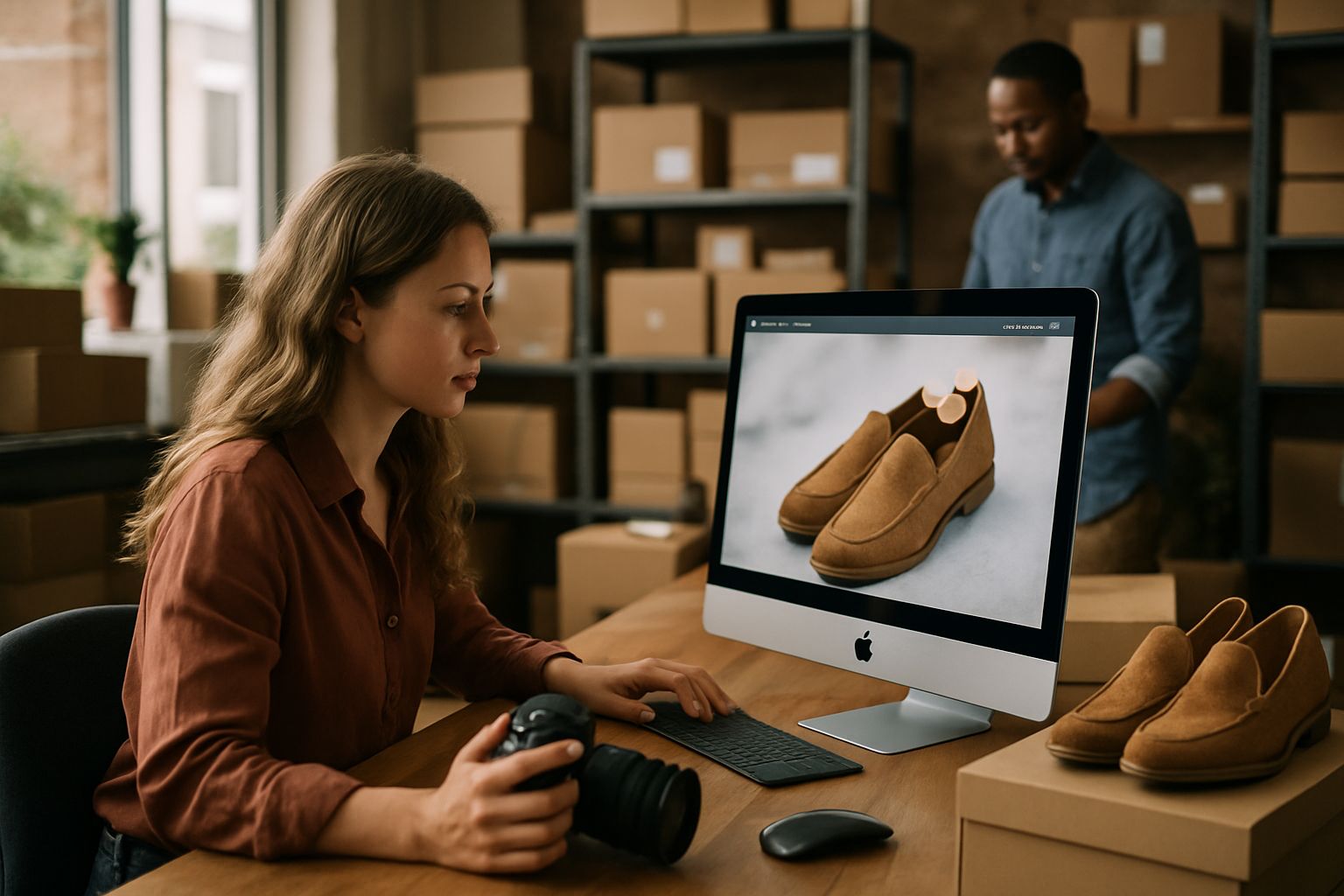
Look, your photos are the closest anyone gets to holding your product before they pay for it. So invest in real ones, the kind that show the thing honestly. Multiple angles. Zoom. A lifestyle shot or two. All of it makes the shopping part feel less like a gamble.
In a place like Conroe, where people put weight on trust and community, clear and honest images go a long way. Customers want to see exactly what's coming in the box, and good photos give them that. Blurry, misleading shots? That's an abandoned cart and a person who won't come back.
Don't cheap out here.
We see businesses treat photography as the first thing to cut, and it almost always costs them more than it saves. A Houston furniture store poured money into professional shots and staged their pieces in actual living rooms, engagement climbed 35%. People could finally picture the couch in their own place, and that's what closed the sale. Worth every dollar.
That's the whole game.
We watched a jewelry designer in Spring pull this off with high-res images that showed off every tiny detail. They added a zoom feature, showed the pieces under different lighting, and returns dropped 25%. Customers just trusted what they were buying.
A simpler checkout is one of the easiest wins out there (Baymard Institute). Cut the friction, fewer people bail with a full cart, and your conversions climb.
Keep your checkout dead simple. Every extra step is another exit door, and people will use it. We tell clients to write clear calls to action and shrink the number of pages between the cart and that confirmation screen. And offer guest checkout (nobody wants to create an account just to buy socks).
Look, Houston shoppers want convenience. They love a quick, hassle-free checkout, so give them a few payment options to match how they actually like to pay. Security matters too. Drop your trust badges and secure payment icons right where people can see them, it calms the nerves.
This is where a lot of businesses trip. They pile on steps or spring hidden fees at the last second. Keep it honest, keep it short.
A Houston electronics retailer cut their checkout from five steps down to two. Abandonment fell 20%, completed orders jumped, and revenue followed. Same customers, fewer hoops.
And an online fashion retailer in The Woodlands rolled out a one-page checkout with a progress bar and autofill. People moved faster, felt more in control, and conversions climbed 15%. Sound familiar?
SEO is how people find you in the first place. Done right, it pulls more of the right traffic to your store, which means more sales.
SEO does the heavy lifting before anyone ever lands on your site. A gorgeous website nobody can find is just a hobby. We work relevant keywords into product descriptions, headers, and the metadata behind the scenes.
Local competition in The Woodlands gets brutal, and SEO is your edge. Add location-specific keywords so you show up in local searches, those are the people most likely to actually buy.
Here's the thing nobody says out loud: don't cram your site full of keywords. Google's smart enough to slap you for stuffing. Write useful content that works the keywords in naturally instead, it holds up way better over time.
One clothing brand in The Woodlands built its pages around seasonal and local terms, stuff like "fall fashion in The Woodlands" and "summer dresses in Texas." Organic traffic shot up 50% during their busy stretches, and they pulled in local shoppers who were already hunting for exactly what they sold.
Simple. Specific. Honest.
One Houston health food store went all in on long-tail keywords and a blog. They wrote about the health questions people were actually typing into Google, linked those posts straight to the right products, and their visibility climbed. Online sales jumped 40%.
Nothing builds trust faster than other people vouching for you. Not your own marketing copy, real customers. So make leaving a review dead simple, and toss something back to the folks who take the time.

Spring runs on word of mouth. Shoppers trust what other buyers say way more than your sales pitch, and that trust shows up at checkout. Put the reviews right on the product page, where buyers actually see them.
Most businesses sit on this, honestly. They bury their reviews, or they never bother asking. Make reviews the first thing a visitor notices, it's pretty much the cheapest credibility you'll ever buy.
A bakery over in Spring moved customer reviews front and center on the homepage. Small tweak. New orders climbed 15% because buyers felt reassured before they added anything to the cart, and they started dropping those testimonials into their email campaigns too (which pulled in more business than they expected).
And an electronics shop in Conroe built a review system that handed out discounts for detailed feedback. More reviews came in, sure, but they also got a real read on what customers cared about, the kind of insight you can't really buy. Product fixes followed, repeat purchases went up 20%.
Responsive customer service keeps people happy, and happy customers come back. We've watched that loyalty turn into repeat business again and again.
Good service is how an ecommerce site stands out. Give people a few ways to reach you, chat, email, phone. Answer fast, fix it, move on. That tells customers you actually care whether they stick around.
Houston is crowded. Great service becomes the thing that separates your shop from the next tab over, and it's less about closing tickets than leaving people glad they bought from you.
Here's the thing nobody says out loud: most businesses treat support like a chore. They bolt it on at the end instead of building around it. Put it at the center and your customers feel the difference. Sound familiar?
A Houston retailer switched on 24/7 chat support. Response times dropped, satisfaction climbed 30%. People felt looked after, so they came back and bought again.
And a home appliance store in Conroe started doing virtual consults over video. That personal touch sorted out problems and built real trust, retention went up 25%.
Worth saying plainly.
Analytics tell you how people actually move through your site. They show you what's landing and what's flopping. We point clients to Google Analytics and watch the metrics that matter, bounce rate, conversion rate, average order value.
Here in The Woodlands, where everybody's chasing growth, the numbers steer the ship. Spot the weak spots, test a change, see if it sticks. And then do it again, that loop is what keeps your site sharp instead of stale.
Don't ignore the data. Honestly, it's the easiest thing in the world to skip, you're buried in the daily grind and the dashboards just sit there. But that's where the real decisions hide.
We worked the same idea with a tech startup in The Woodlands. They dug into their analytics to figure out which products spiked in which months, then shifted marketing and inventory to match (the boring backend stuff nobody brags about), and sales jumped 40% during their busy seasons. That kind of move keeps you a step ahead while everyone else guesses.
A Houston beauty brand ran A/B tests on their interface and their promos. They read the results, found the layouts and offers that pulled the most weight, and watched conversions climb 25%. Better numbers, happier shoppers.
Social media integration gets your brand in front of more eyes. And it sends that attention straight back to your store.
Social media moves product, it widens your audience and lets you talk to customers as things happen. Drop sharing buttons on your product pages and your reach grows on its own.
Houston scrolls a lot, so Instagram and Facebook earn their keep here. Show off new arrivals, post customer reviews, run a promo or two. That drives clicks to your site, and it builds a little crowd that actually cares about your brand.
Look, a Houston fashion retailer ran a "shop the look" campaign on Instagram. Influencers wore the clothes, links pointed straight at the product pages, and traffic rose 25% while sales went up 20%. Simple play, real lift.
A fitness equipment supplier here in The Woodlands took a different angle, they hosted workout sessions on Facebook Live with their gear front and center. People got to see the stuff in motion. Followers grew 30%, sales grew 15%.
Email marketing keeps you on people's radar long after they've left your site. We use targeted campaigns to bring shoppers back when it counts.

Email keeps the conversation going and nudges people back for round two. We send personalized emails with exclusive discounts, new product drops, the occasional "hey, you left something in your cart" reminder.
The Woodlands runs on close community ties, and personalized email plays right into that, it builds relationships that last. Slice your list by what people do and what they like, that way every message actually fits the person reading it.
Picture a home goods shop that ran its loyalty program straight through email. Personalized offers, subscribers always in the loop, retention climbed 35% and repeat purchases jumped right along with it. But that sales bump wasn't the real win. Those emails gave people a reason to come back.
This part trips people up.
A Houston gourmet food delivery service did something smart. They tucked recipes and meal planning tips right next to the product promos (small move, big payoff), and engagement jumped 50%. More orders. Happier customers. The emails handed people something worth opening, that's the whole trick.
Related reading: Ecommerce Website Mistakes Small Businesses Make.
Knowing your audience is pretty much the whole game. You understand what they want, you build a site that meets them right there, the design and the products and how you market it all line up.
Want better SEO? Lean into the keywords your customers actually type, and don't sleep on local search if you've got a location to push.
Work those keywords into your content so it reads natural, never stuffed. And if you're chasing a specific area, local SEO does a ton of the heavy lifting. More visibility, more people finding you.
Good images show people exactly what they're getting. That builds trust, it cuts returns way down. Honestly, they're a huge piece of how online shopping even works.
Reviews are other buyers vouching for you. They calm down the folks sitting on the fence about quality, and that nudge pushes the sale across the line.
Make checkout painless. Cut the extra steps, give people a few ways to pay, and watch how many more of them actually finish.
A quick checkout keeps carts from getting abandoned, and the whole thing just feels better. Higher conversions follow.
Look, we all know how good it feels to find a local business that actually gets us. Here in The Woodlands, we care about the relationship more than the website itself. We're your neighbors, and we're ready to build you a web presence that actually sounds like you. Let's talk and bring your vision to life. Just reach out to us.
LATEST POSTS