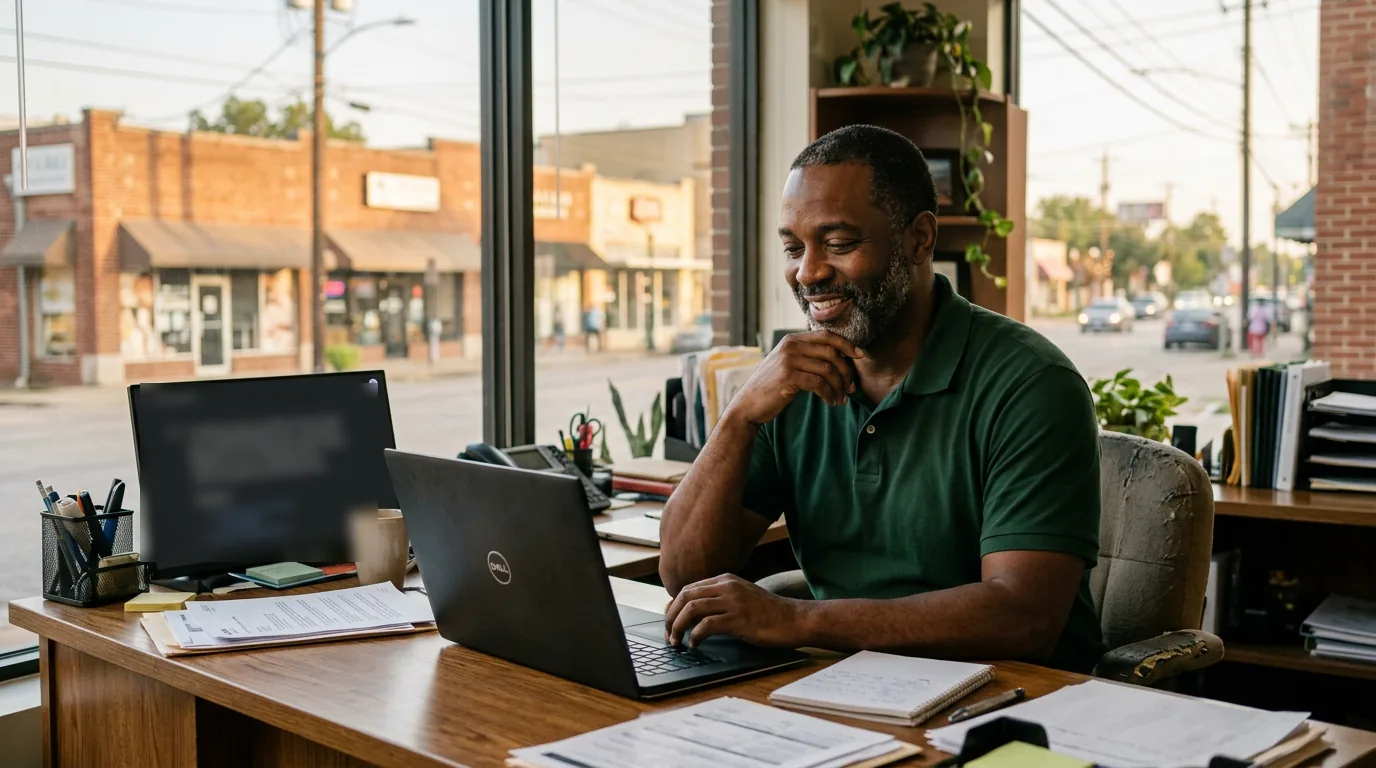

Shoppers leave because something frustrated them, and usually it happened well before they hit the checkout. Confusing layouts, hidden prices, slow load times, we see all of it costing Woodlands retailers real money. Ignoring the details isn't neutral, it's expensive.
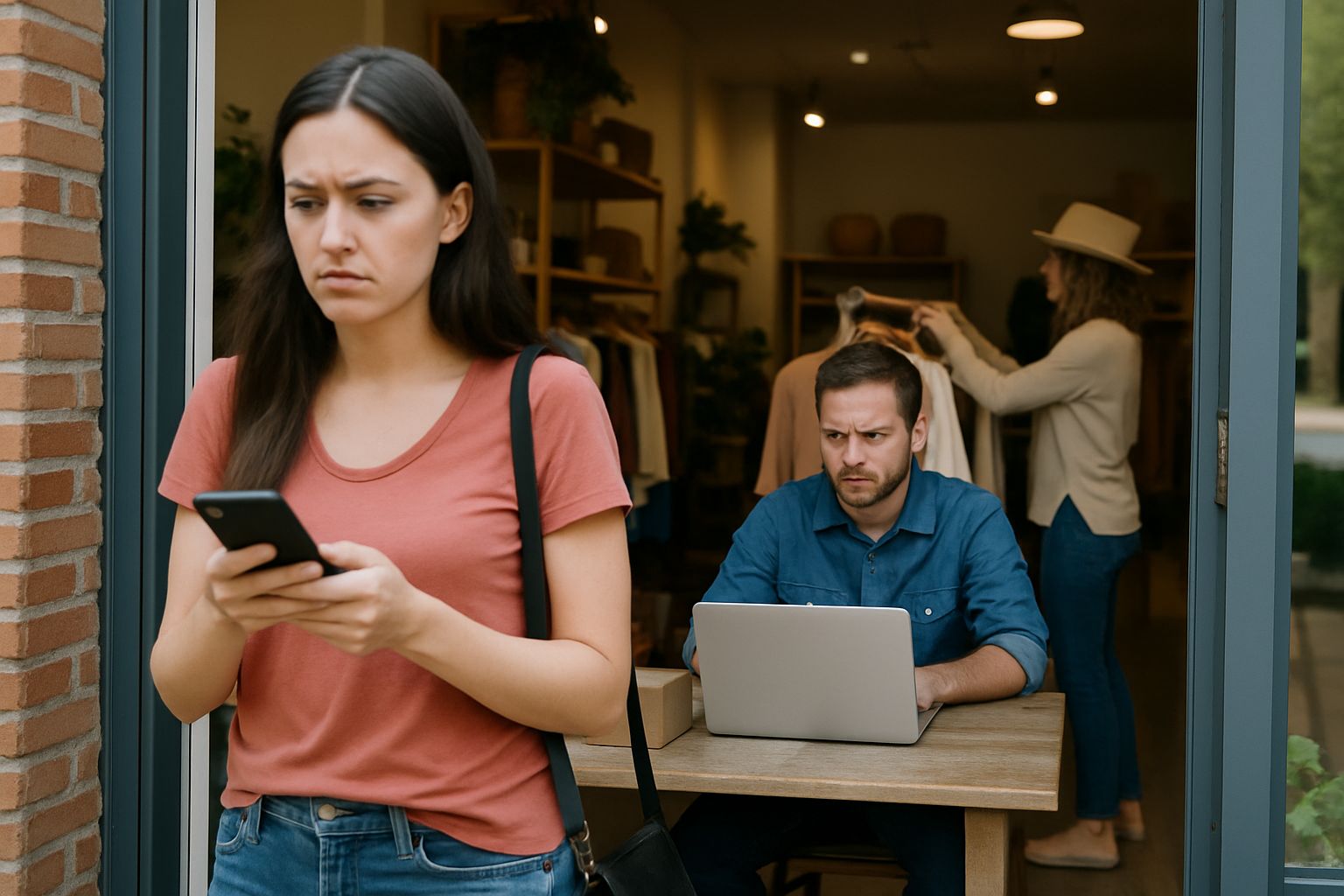
We work with local retailers constantly, and the pattern is always the same. Someone lands on a product page, or walks through a front door, hits one small point of friction, and they're gone. No dramatic exit, no complaint, just gone. Sound familiar? The reasons are almost never mysterious once you actually look.
A confusing layout is doing quiet damage every single day. We reorganize the flow, clean up the navigation, and suddenly people can actually find what they came for.
When your layout makes people work to find things, they stop working and start leaving. We see this constantly with local service businesses and retail shops in The Woodlands. The store feels cluttered, the categories don't make sense, nothing signals where to go next. So people bail.
IKEA figured this out a long time ago. Their floor plan moves shoppers through the space deliberately, shows products in real-life context, and lets people stumble onto things they never planned to buy. A haphazard layout does the opposite, it overwhelms, and most shoppers won't push through that feeling to reach your register.
Clear signage and logical product groupings are pretty much the whole job here. Your store should answer "where do I go?" before the shopper even finishes asking it. And look, this isn't just about how things look. It's about how they function, and the two are harder to separate than people think. The more obvious your layout, the longer people stay, the more they spend.
Digital navigation works in physical spaces too. An in-store app or a product-finder tool (even a simple one) cuts the kind of low-grade frustration that sends people to their phones to shop somewhere else instead. A Houston-area electronics shop added exactly that kind of digital layer and their customer satisfaction numbers moved up noticeably. The fix wasn't expensive. It was just overdue.
If a shopper can't answer their own questions from your product page, they're gone. Complete descriptions, clear specs, honest photos, that's what moves someone from browsing to buying.
Here's the thing nobody says out loud. Most product pages fail not because the product is bad but because the page makes the shopper do too much guesswork. Vague descriptions, one flat photo, no reviews. That's not a product listing, that's a trust problem. And when shoppers don't trust what they're looking at, they go find someone who makes it easier.
We tell clients to think about what question a shopper would ask a sales associate in person, then answer every single one of those questions on the page. Dimensions, materials, care instructions, whatever is relevant to that specific product. Photos from multiple angles, in actual use. Not optional. A Woodlands boutique we've seen do this well cut their return rate noticeably just by adding honest, detailed imagery.
Reviews matter too, maybe more than anything else on the page. Real feedback from real customers is often the last thing standing between a shopper and the buy button. A retailer in Spring added a review system to their online shop and their sales moved. Not because the products changed, but because the page finally felt trustworthy.
None of this is complicated. It just takes consistency.
Augmented reality has changed how shoppers take in product information (Market.us), and the stores leaning into it are seeing real results. A furniture store in Conroe rolled out AR features and watched customer engagement jump 25%. Not a coincidence.
Nothing kills a sale faster than a surprise fee at checkout (DontPayFull / Baymard Institute). We keep pricing transparent up front, because shoppers who feel tricked don't come back.
Price is pretty much the first thing your shoppers clock. Too high and they leave. But hidden costs do just as much damage as a bad sticker price, shipping fees, taxes, handling charges, all of it shows up from the start, not buried three clicks deep in fine print. Sound familiar?
Look at what transparent pricing actually does for trust. A home goods store in Conroe moved to flat-rate shipping and their cart abandonment dropped 25% in six weeks. One policy change, real numbers.
Here's the thing nobody says out loud. Most shoppers would rather know exactly what they're paying before they type in a card number than find a handling fee on the confirmation screen, and honestly, at this point your customers expect it. Free shipping thresholds or a small discount nudge a purchase over the line. A "no hidden fees" policy at a Houston tech store pushed customer loyalty up 15%, which is a real shift for one pricing decision.
Dynamic pricing earns your attention too. A sporting goods store in Spring ran a flexible seasonal pricing strategy and pulled a 20% sales bump during peak periods. Pricing doesn't have to sit still, it just has to be honest.
People won't hand over their card details if something feels off (Cropink). Strong security signals, clear trust badges, a clean checkout environment, these aren't extras, they're what makes the sale happen.
If your shoppers don't feel secure, they won't buy. Full stop. Breaches happen constantly and customers know it, they want some reassurance their data isn't wandering off somewhere it shouldn't, and that's on us to give them.
Get an SSL certificate. Put security badges where people actually look, make your privacy policy easy to find, and offer secure payment options (the ones your customers already use everywhere else). A Spring online boutique upgraded their security setup and saw conversion rates jump 20%. Not a minor tweak.
We see this constantly with local service businesses and e-commerce shops alike. A Conroe electronics retailer added PayPal and Apple Pay, and completed transactions went up 30%. Two payment options, big lift. And I've watched that same pattern repeat across clients, give people a real reason to trust your checkout and they finish the purchase.
Transparent return policies work the same way. Nordstrom built a loyal following partly by making returns genuinely hassle-free, which signals confidence in what you're selling and real respect for the buyer. A Houston fashion shop simplified their return process and held onto significantly more customers over the long run.
One bad service interaction can undo months of good work. But responsive, genuinely helpful support keeps people in the process and turns first-time buyers into regulars.

Bad service kills sales. Pretty much that direct. We see this constantly with local service businesses, the ones that obsess over their product and then treat support like a box to check. Shoppers who hit a wall when they need help just leave, they don't file a complaint, they don't explain themselves, they're just gone.
Give people chat, email, and phone. Your team should actually know the products, respond fast, and sound like a human being (not a ticket-filing robot). There's a real difference between a shopper who feels heard and one bouncing alone through a wall of FAQ pages, and only one of those people buys.
Sound familiar? Here's the thing nobody says out loud: most businesses underinvest in service because they can't see the revenue it's costing them in real time.
A Woodlands pet supply shop introduced 24/7 chat support and satisfaction scores climbed noticeably. Shoppers who get real help at 11pm on a Tuesday remember that. They come back. They tell people.
Giving your staff actual authority to fix problems changes the whole dynamic. A Conroe hotel adopted a policy letting frontline employees resolve guest issues on the spot without looping in a manager, and satisfaction jumped. When the person talking to your customer can actually solve the problem, you win the sale and the loyalty.
A checkout with too many steps is just a polite way of telling people to leave. We cut the friction down, and conversions follow.
Too many steps and the sale is gone. Most retailers don't realize how much revenue they're bleeding until they finally look at the numbers, and by then it's months of lost carts. Your checkout should get out of the shopper's way, not demand things from them.
Cut steps to the bare minimum, offer guest checkout so nobody has to create an account just to buy something, and make the whole thing mobile-friendly. In The Woodlands, a big chunk of shoppers are completing purchases on their phones. Don't lose them to a checkout flow that was clearly designed for a desktop years ago.
A Spring-based e-commerce client of ours built a streamlined one-step checkout, pretty much nothing standing between the shopper and the purchase, and cart abandonment dropped by around 40%. And that's not a minor tweak. One focused improvement, business-changing result.
Your checkout works on every device your customers actually use, or it doesn't work at all. We helped a Houston-based electronics retailer rebuild their mobile checkout, and mobile sales jumped hard over about two months. The site stayed the same. The product stayed the same. Only the checkout moved.
People stay loyal to their preferred payment method, and they won't switch just to buy from you. A Conroe-based grocery store added more accepted payment types, customer satisfaction climbed, and the math wasn't complicated. Give people the option they're comfortable with, they finish the purchase pretty much every time.
Shoppers want your store to know them, not feel like a catalog built for nobody. And when it feels generic, they bounce and find one that doesn't. We see this constantly with retailers across Houston and The Woodlands, money sitting on the table, nobody picking it up.
Use your data. Address shoppers by name, tailor promotions to what they've browsed before, recommend things that match real purchase history. From the inside these touches feel tiny. But they're exactly what customers remember, and exactly why they come back.
Look at how Netflix keeps you watching. The recommendation engine pulls from what you've already seen, so every session feels built for you (that's not luck, that's the entire product). A Conroe-based bookstore tried the same idea with recommendations based on past purchases, and sales climbed. Same inventory, smarter presentation.
A local fashion retailer in The Woodlands started sending email promotions tied to purchase history, and email revenue went up nicely. No new product line. No site overhaul. Just emails that reflected what each customer had actually bought.
Personalized service builds loyalty faster than discounts ever will. A Houston-based beauty shop rolled out tailored recommendations, and loyalty climbed steadily, it didn't spike and flatten out. Shoppers come back when they feel seen, honestly that's the whole game.
Slow, dated tech frustrates shoppers fast, and they don't hang around. Keeping your systems current isn't a bonus, it's what stops people from bouncing before they buy.
Here's the thing nobody says out loud: if your site feels like it hasn't been touched since 2017, shoppers clock it instantly. And they leave. Fast. Nobody waits four seconds for a page to load when a faster competitor is already open in another tab.
Update your website and backend on a regular schedule, not just when something breaks. Fast load times and clean navigation aren't optional. In Spring, most shoppers browse on their phones, so when your mobile experience lags behind your desktop site, you lose them long before checkout. Sound familiar? Your tech keeps pace with how people actually shop, full stop.
Worth saying plainly.
AR tools let customers place products in their own space before they buy, and that single shift cuts hesitation and return rates at once. IKEA leaned into this years before most retailers were even curious about it. A Houston-based furniture store we're aware of added AR features to their site and watched online engagement climb 35%. That's a real edge, built entirely on moving first.
Browser and device compatibility turns away traffic you already earned. A Conroe-based electronics retailer updated their site to support current web standards and picked up 20% more traffic without spending a cent on ads. The visitors were out there the whole time, the outdated tech was just sending them somewhere else.
Payment friction kills sales at the worst possible moment. Fast, familiar checkout keeps people coming back, and a Spring-based café that introduced a mobile payment option saw sales jump 30% in under two months. Convenience converts, pretty much every time.
You can have the best products in The Woodlands and still lose to a competitor with better visibility. The right marketing strategy gets your store in front of the right people before they even know to look for you.

Sound familiar? A lot of local retailers pour money into fixtures, inventory, and staff training, then treat marketing like something to figure out later. If shoppers don't know your shop exists, they're never walking through the door, and no amount of great product selection fixes that.
Here's the thing nobody says out loud: most marketing budgets aren't the problem. The channel mix is. Social media, email, and local advertising all pull in different directions when they're run separately, and gaps show up fast. A Houston coffee shop ran targeted Facebook ads for about six weeks and brought in 30% more foot traffic. Small budget, focused execution.
Promotions work when you use them with intention. A Spring-based bakery ran a buy-one-get-one offer and saw sales jump 50% during that window. That's not a fluke, that's just giving people a concrete reason to show up today instead of maybe later.
Local influencer partnerships are genuinely underused by smaller brands (and we see this constantly with retail clients in the area). A fashion brand in Conroe worked with local influencers and tracked a 40% lift in brand awareness. Local audience, local voice, real numbers.
Retail moves fast. Trends shift, expectations change, and stores that stop paying attention start feeling stale before anyone on the inside even notices. Shoppers notice first. If your store feels like it belongs to a different era, they'll find one that doesn't.
Stay plugged into what's moving in your category. Read trade publications, talk to your actual customers, watch what's gaining ground around you. A Houston-based tech retailer we follow made a habit of refreshing their product mix based on real market signals, and sales climbed 30%. Not by accident.
This part trips people up.
New tech is worth poking at, not just nodding along to. Amazon keeps reinventing how people shop and how packages land on porches, and that's exactly why they're still here, coasting is how you fall behind. A Spring grocery store added curbside pickup, and the convenience numbers jumped almost overnight. Small change. Real result.
Sustainability isn't a nice-to-have anymore, it weighs on the buying decision and that weight keeps growing. A Conroe outdoor gear store moved to sustainable packaging and picked up a whole crowd of shoppers who were already hunting for eco-conscious retailers. That's a crowd worth chasing. And honestly, the brands ignoring it are handing those customers straight to a competitor.
Reviews and testimonials do a job that no product description can, they show real people made this decision and didn't regret it. And when shoppers see that, they buy with a lot more confidence.
Here's the thing nobody says out loud: a stranger's review on Google hits harder than anything you'll ever write about your own product. People glance at each other before they trust a brand, that's just how it works, it's human. The retailers who clock that early stop leaving that edge on the table.
Ask your customers for reviews, and make it stupidly easy to do. A Houston restaurant made a point of replying to Yelp reviews, even the awkward ones, and new visits climbed. Responding tells people you're actually paying attention, and they notice that way more than most shop owners expect.
Put testimonials where people can't miss them. Your homepage, your product pages, a wall by the register if you've got a storefront. Warby Parker built a ton of purchase confidence this way, letting customer stories do the talking instead of polished marketing copy. A Spring eyewear shop tried the same move and watched online conversions tick up. The stories sold it, not the ad budget.
Influencer endorsements count as social proof too (assuming the influencer actually means something to your specific crowd). A Conroe skincare brand teamed up with local influencers and tracked a real bump in visibility. But it only lands when the partnership doesn't reek of "paid announcement." Audiences smell a forced fit from a mile off.
Customers are loyal to brands that feel like part of their world, not just another vendor. Showing up in the community builds that connection in a way that no ad spend can fully replicate.
Sound familiar? You've bought from a local shop before, not because the price was best, but because you'd seen them at the farmers market or sponsoring some school thing. That's the attachment. Discounts don't build it. Showing up does.
Look, get out to local events and put your name behind stuff people in The Woodlands genuinely care about. A Woodlands bookstore started hosting local author readings, and foot traffic climbed 30%, those folks walked in with zero plan to buy and bought anyway. Because once someone's standing inside a store they feel tied to, the sale pretty much handles itself.
Get involved with local charities. Not as a PR move, just because it matters and people notice when it's real. A Houston-area apparel shop partnered with a neighborhood charity for a fundraising event and walked away with actual press coverage and a bump in foot traffic that no ad spend bought them. That kind of goodwill doesn't show up in a media budget, but it shows up in your revenue.
Social media works when you stop broadcasting and start talking. Respond to comments. Share what your customers post. A Spring-based café started treating their followers like people instead of an audience, and the in-store visits followed. Pretty much that simple, honestly.
Your gut is useful. Data is better. Most stores in The Woodlands and Houston are already collecting it, they're just not doing anything with it, and that gap is where someone else gains ground on you. Sound familiar?
Analytics tools tell you which products pull people in, where shoppers check out mentally, and how traffic actually moves through your space. A Houston-area tech retailer used that information to rethink product placement and saw a real jump in sales. Not from a redesign. Just from paying attention to numbers that were already there.
CRM systems let you use the customer data you're sitting on instead of letting it age in a spreadsheet nobody opens. A Conroe-based home decor shop brought one in and held onto meaningfully more customers over time. Retention is cheaper than acquisition, every single time, and we tell clients that until it sticks.
Predictive analytics takes it further. A Spring-based clothing store used it to get ahead of demand and watched inventory turnover improve noticeably, less dead stock, fewer markdowns, better margins (the kind of result that makes your buyers look very smart). The data ends up doing work that used to run entirely on instinct.
Your branding is either building recognition or creating confusion, there's no middle ground. We keep it consistent across every channel so customers always know exactly who they're dealing with.

Here's the thing nobody says out loud: a logo alone isn't a brand. Brand identity is what makes someone in Conroe recognize your store before they've even read your name. It's your color palette, your tone, the way your employees answer the phone. Stores that let any of that drift end up invisible, and the Houston retail market doesn't leave much room for invisible.
We see this constantly with local service businesses. Every touchpoint slightly off from the last one, and the whole thing starts to feel untrustworthy without anyone knowing why. A Houston-area coffee shop tightened their branding across their website, social profiles, and packaging and saw a sharp increase in recognition. Cohesion isn't cosmetic. It's trust, built visually, over time.
Say what your brand stands for, and mean every word of it. People move toward brands that actually share their values, not the ones waving vaguely in that direction. A Conroe outdoor gear shop put their sustainability commitment right up front, not buried somewhere in a footer, and it landed because they weren't faking it. Customers can always tell.
Storytelling pulls all of this together. Tell people where your brand came from, why you built it, what really went into the thing you're selling. A Spring jewelry store wove that kind of story into their marketing and watched engagement climb fast. People buy from people. So give them someone real.
We go deeper on ecommerce web design mistakes costing you sales in Ecommerce Web Design Mistakes That Cost You Sales.
Most abandoned carts trace back to friction, confusion, and sticker shock. Fix those, and you've fixed most of your retention problem.
No trust plus a painful checkout, that pushes people right out the door. Sound familiar? One rough step in the buying process loses the sale, and it usually does. But fix those things and your conversion rate moves pretty fast, not someday.
Clear signage and a logical layout sound simple, but most stores get them wrong. We map the shopper's path first, then design around how people actually move and think.
Your shoppers aren't reading your site the way you picture it in your head. They scan, they skip, they backtrack when something doesn't click. Organize by logical product categories, keep the pathways obvious, make it easy for someone to find what they came for without working for it. When people feel lost, they leave. When they feel oriented, they buy more and they come back, which is honestly the whole game.
Service that's quick and genuinely helpful makes shoppers feel like they matter. People who feel valued finish the purchase, and they come back later. That second part is the piece most stores undervalue.
Match your recommendations and promotions to what a shopper actually wants, and they keep buying instead of bouncing to a competitor. Generic feels lazy. People notice.
Your website and backend systems need a real update schedule, not just patches when something breaks. Fast load times and clean navigation are the baseline now, and shoppers notice immediately when you fall short.
Here's the thing nobody says out loud. Most of your traffic is coming from phones, not desktops (we see this constantly with local service businesses across The Woodlands and Houston). Mobile matters way more than most store owners think. A slow or clunky mobile experience, those visitors are gone in under ten seconds. And they don't come back.
We've helped businesses all over The Woodlands build sites that don't just look good, they actually perform. If your current site isn't pulling its weight, let's look at it together. Get started with an initial consultation.
LATEST POSTS